Countrywide advisory (Government of Canada)
Exercise increased cautionExercise a high degree of caution (with regional advisories) Regional advisories apply; see the source for zone-level detail.
Government of Canada · checked 26 Jul 2026
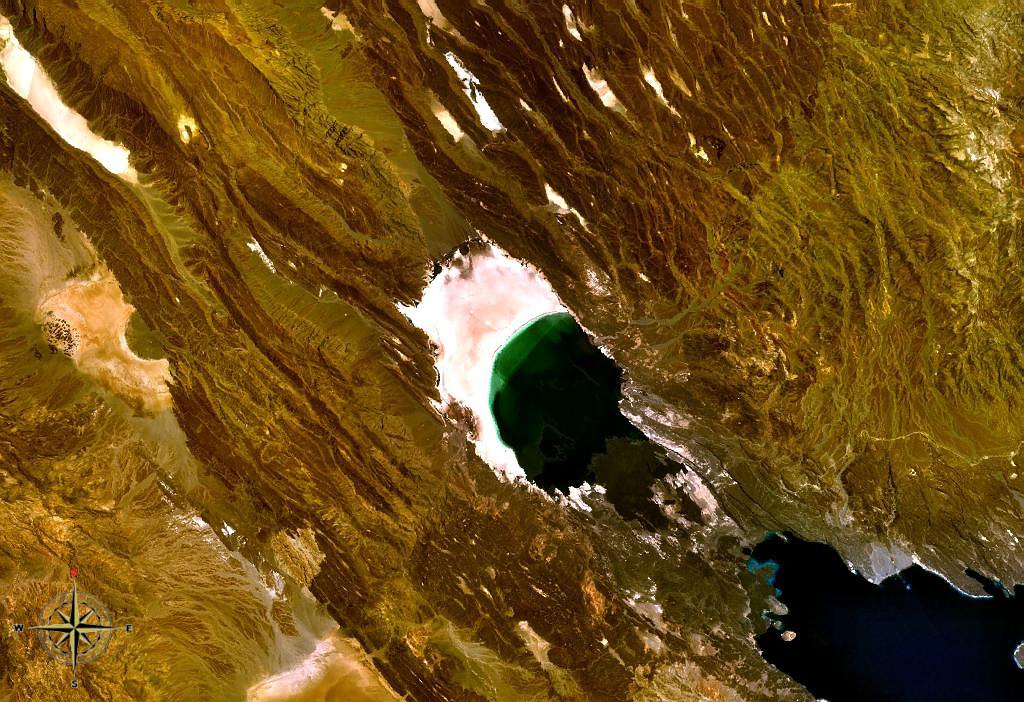 NASA / Public domain (Wikimedia Commons)
Eastern Africa
 Djibouti
A strategic Red Sea gateway at the Horn of Africa's crossroads, known for its stark desert landscapes, geothermal hot springs, and cultural blend of Somali, Arab, and French influences.
✦Lake Assal is the lowest point in Africa and the second-most saline body of water on Earth after the Dead Sea.
✦Djibouti's strategic location makes it arguably the most militarized nation per capita in Africa.
✦The French-Djibouti Railway, built 1897-1917, remains the only train connection to landlocked Ethiopia.
The world's second-most saline lake, so buoyant you float effortlessly in crystal-clear hypersaline water.

Red Sea gateway with world-class coral reefs and diving opportunities, accessible from the coast.

One of Africa's rarest ecosystems, a mountain forest in an arid landscape with endemic plant species.
Djibouti is a compact nation straddling the Bab el-Mandeb Strait, one of the world's busiest maritime passages. The landscape is predominantly arid desert with volcanic rock formations, salt lakes, and geothermal areas. Climate is extreme: summer heat exceeds 40C. The culture is predominantly Somali and Afar pastoralist, with strong Arab and French influences from colonial history and strategic importance. A visit feels like stepping into a crossroads city: bustling port activity, multicultural neighborhoods, and isolation from typical African tourist circuits. Infrastructure is modern (by regional standards) due to military and port investment. Tourism focuses on diving, salt lake exploration, birding, and experiencing a unique geopolitical vantage point.
Last checked 26 Jul 2026
Every zone below is rated against a named government advisory and carries the date we last read it. Most of any country is calmer than its headlines.
Exercise a high degree of caution (with regional advisories) Regional advisories apply; see the source for zone-level detail.
Government of Canada · checked 26 Jul 2026
Remote desert areas inland and near the Ethiopia border lack infrastructure and security presence. Travel requires experienced guides and advance planning. Banditry risks exist.
Avoid: Remote interior desert; eastern border regions with Somalia.
UK FCDO · checked 6 Jul 2026
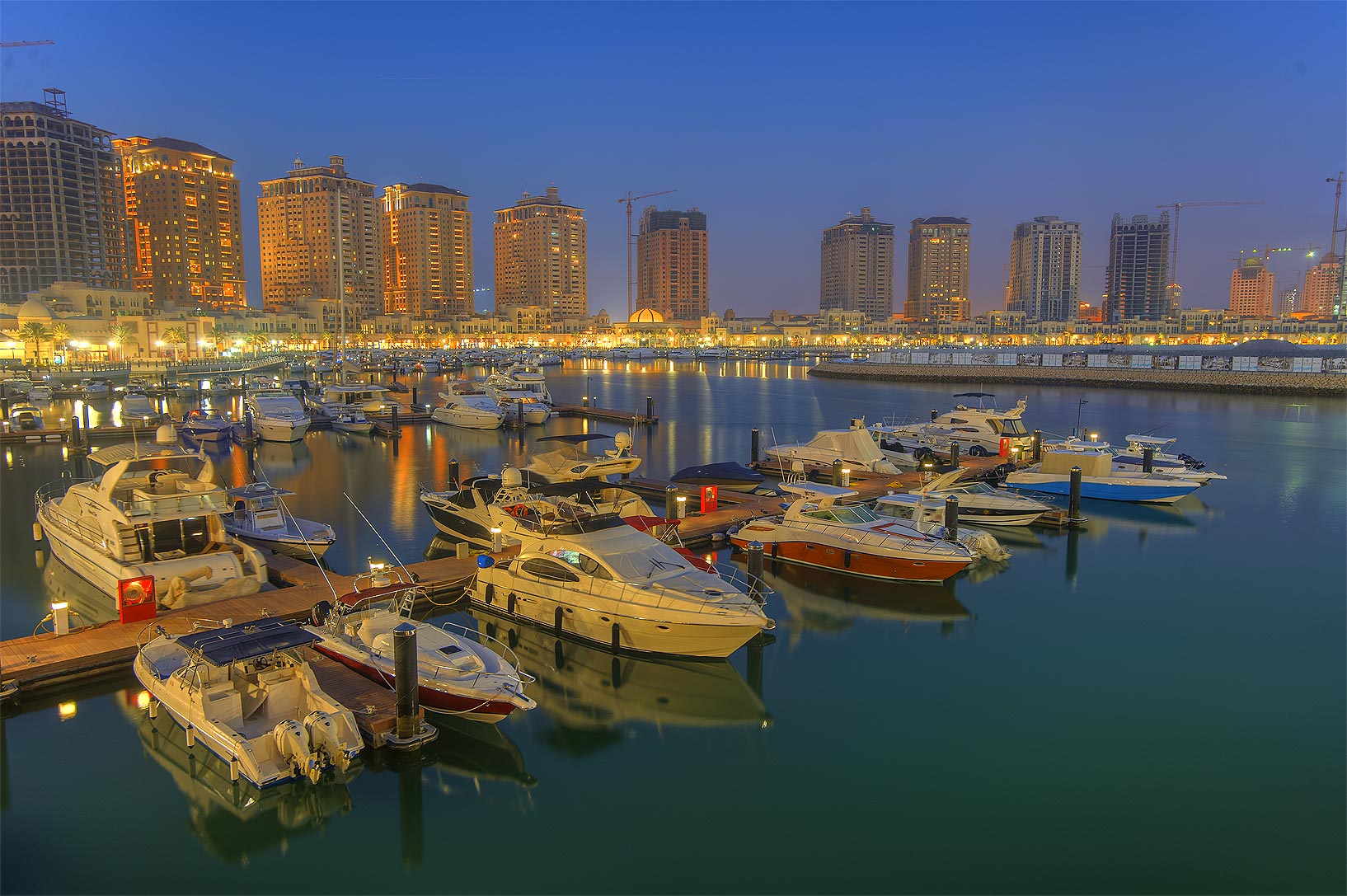
The capital is secure with heavy military presence and port infrastructure. Urban crime exists but is generally low compared to regional cities. Standard precautions apply.
Avoid: Avoid Ardouba district late at night. Red Sea coast near Bab el-Mandeb is monitored for piracy; recreational boats should use established tour operators.
UK FCDO · checked 6 Jul 2026
The hypersaline lake and surrounding geothermal areas are tourist-focused and secure. Infrastructure is basic but safe.
UK FCDO · checked 6 Jul 2026
Djibouti's shape on a map is also its explanation. It sits over the Afar Triple Junction, the only place on the planet where three tectonic plates, the Nubian, the Somali and the Arabian, are pulling apart from a single shared point rather than colliding. Three separate rifts converge there: the Gulf of Aden Rift, which began opening roughly 35 million years ago, the Red Sea Rift, around 23 million years old, and the Main Ethiopian Rift, closer to 11 million years old. Where they meet, the crust is thin enough that seafloor spreading, ordinarily an ocean floor process, is happening in full view on dry land. The country's lowest point, Lake Assal, sits about 155 metres below sea level, the lowest exposed point on the African continent and the third lowest on the Earth's land surface. Its brine measures roughly 348 grams of salt per litre, close to ten times the salinity of ordinary seawater and higher than the Dead Sea itself, an ancient sea trapped in a basin with no outlet and left to evaporate for millennia under one of the hottest suns on the continent. The same rift widens north into Ethiopia as the Afar Depression, and depressions of this kind have an odd gift for preserving bone. Volcanic ash layers date the deposits precisely, and the pulling apart of the crust exposes strata that elsewhere would stay buried for good. ...
The full history, the peoples, and pieces written by people from hereDjibouti City is a dense, multicultural port metropolis on the Red Sea: a place of commerce, military bases, international shipping, and cosmopolitan energy unlike anywhere else in the Horn. The city is hot, intense, fast-paced, with French influence evident in architecture and food. The port hums constantly; the streets are crowded with traders from across the Red Sea region. Beyond the capital, Djibouti is mostly desert and volcanic terrain: Lake Assal (the lowest point in Africa, the saltiest lake on Earth), salt pans worked by ancient methods, and the Afar pastoral communities who maintain centuries-old rhythms despite the modern port city's existence. Food is influenced by Yemen and Somalia as much as France; the culture is predominantly Muslim and Somali-speaking. It's a place of harsh beauty and strategic crossroads energy.
Festivals and moments worth timing a trip around.
Djibouti's independence day with military parades, official ceremonies, and street celebrations in Djibouti City. The national holiday feels solemn and ceremonial.
Islamic holiday celebrated by the Muslim majority with prayers, family meals, and communal celebrations after Ramadan.
Islamic feast day marked with prayers, animal sacrifice, feasting, and gathering of families and communities.
Celebration of Djibouti's salt heritage with traditional salt harvesting demonstrations, market events, and exhibitions honoring the ancient salt trade.
Guided dives and snorkeling in the Red Sea off Djibouti City to witness coral reefs, tropical fish, and marine ecosystems of remarkable diversity.
Before you go
You have the zones as they stand today, and they do move, so when one in Djibouti changes rating or an advisory we cite is rewritten, we will tell you. That is the only reason we will write.