Countrywide advisory (Government of Canada)
Exercise increased cautionExercise a high degree of caution (with regional advisories) Regional advisories apply; see the source for zone-level detail.
Government of Canada · checked 26 Jul 2026
 Erik Cleves Kristensen / CC BY 2.0 (Wikimedia Commons)
Middle Africa
 Angola
Angola is Sub-Saharan Africa's second-largest oil producer, with a coastline of colonial architecture, diamond mines, and a rapidly recovering tourism infrastructure. A destination for those seeking untouched beaches and emerging adventure travel.
✦Angola's independence war lasted 27 years and displaced over 4 million people, yet Angolans rebuilt without international aid missions.
✦The Namib Desert, Africa's oldest and driest, stretches along Angola's coast with sand dunes taller than skyscrapers.
✦Angola produces more diamonds than South Africa, yet most Angolans have never seen a gemstone mine.
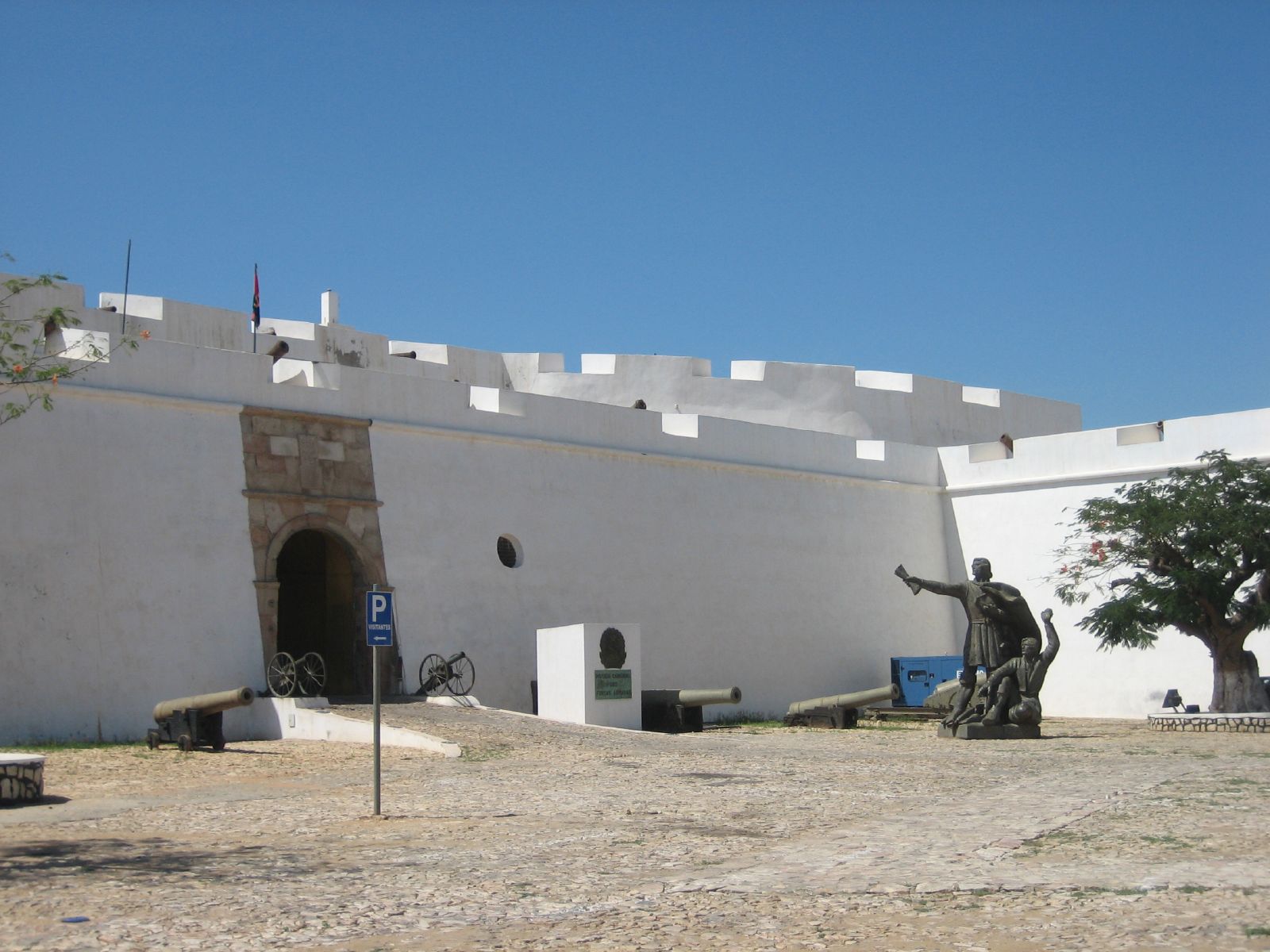
16th-century Portuguese fortress overlooking the capital, now a museum with colonial artifacts.

Angola's oldest and most accessible wildlife reserve, with elephant, antelope, and bird viewing.

South coastal town with wide beaches, colonial architecture, and a fishing harbor.
Angola occupies the southwestern corner of Africa, stretching from the Atlantic to the Kalahari with coastal plains, highlands, and savanna. The capital Luanda is a sprawling modern city with Portuguese colonial pockets, while the interior reserves pristine ecosystems. Travel here is raw: roads are rough, tourist services are basic outside Luanda, but the payoff is isolation and a sense of genuine frontier. Portuguese is the official language and widely spoken in cities; indigenous Bantu languages dominate rural areas. Angolans are warm but reserved; tourism is still novel, so curiosity cuts both ways. English is rare outside major hotels. The culture blends Portuguese Catholic heritage with strong Bantu traditions, visible in music, art, and food. Fufu and seafood dominate; expect cassava bread, fresh fish, and excellent coffee.
Last checked 26 Jul 2026
Every zone below is rated against a named government advisory and carries the date we last read it. Most of any country is calmer than its headlines.
Exercise a high degree of caution (with regional advisories) Regional advisories apply; see the source for zone-level detail.
Government of Canada · checked 26 Jul 2026
Diamond mining regions with limited infrastructure, banditry, and occasional armed group activity. Travel here is difficult and risky; permits often required.
Avoid: Mining areas; unmarked roads; travel after dark.
UK FCDO · checked 6 Jul 2026
Luanda is the safest region; street crime exists but is manageable with standard precautions. Petty theft and mugging occur in crowded markets and at night. Coastal towns are quieter and lower risk.
Avoid: Avoid wandering slums at night; use registered taxis. Some suburbs south of the city are high-crime.
US State Department · checked 6 Jul 2026
Long before any Bantu-speaking farmer set foot in the territory now called Angola, the land belonged to Khoisan-speaking hunter-gatherers and pastoralists, people whose presence stretches back tens of thousands of years across southern Africa. What is genuinely known about them in Angola specifically is thin: scattered rock art sites in the far southwest, near Iona and along the Cunene, and linguistic click-remnants absorbed into later Bantu languages. Almost everything else, the population size, the social organization, the pace of contact, is reconstructed rather than documented, pieced together from comparative linguistics, genetics, and archaeology rather than any contemporary written record. The Bantu migrations that followed, arriving in waves over roughly two thousand years, brought iron-working and agriculture and gradually absorbed or displaced these earlier communities. That process, too, is inferred more than narrated. There was no Angolan Herodotus for this period, only the slow evidence of pottery styles and language trees. Writing arrives with the Kingdom of Kongo, and what it describes is not a scattering of villages but a functioning state. ...
The full history, the peoples, and pieces written by people from hereLuanda is a city of contradictions: gleaming high-rises rise from neighborhoods still showing war's scars, wealth concentrates visibly while poverty remains stark, and the pace is frenetic and ambitious. The city is one of Africa's most expensive, but also a place where entrepreneurship and reconstruction pulse forward. Beyond Luanda, Angola stretches across savannas and rocky highlands, with wildlife reserves slowly being restored. The Angolan people are known for their resilience, creativity, and determination; music and dance are central to culture, with Angolan semba and kizomba rhythms infectious and soulful. Food carries Portuguese and African influences: grilled fish, beans, cassava. Angola feels raw and still emerging, a place where tourism infrastructure is developing and visitors encounter genuine hospitality mixed with the pragmatism of people still building after catastrophe.
Festivals and moments worth timing a trip around.
Angola celebrates independence from Portugal with parades, ceremonies, and cultural performances reflecting national pride and the hard-won liberation struggle.
The capital erupts in parades, street parties, and music celebrations. Floats, dancers, and musicians fill streets as Luanda showcases joy and cultural vibrancy.
Jazz performances by local and international musicians celebrate Angola's vibrant jazz heritage and modern creativity in Luanda and other cities.
Angola honors its liberation war veterans and armed forces with military parades, ceremonies, and remembrance of the struggle for independence.
Before you go
You have the zones as they stand today, and they do move, so when one in Angola changes rating or an advisory we cite is rewritten, we will tell you. That is the only reason we will write.
