Countrywide advisory (Government of Canada)
Exercise normal precautionsExercise normal security precautions
Government of Canada · checked 26 Jul 2026
 A.Savin / FAL (Wikimedia Commons)
Eastern Africa
 Seychelles
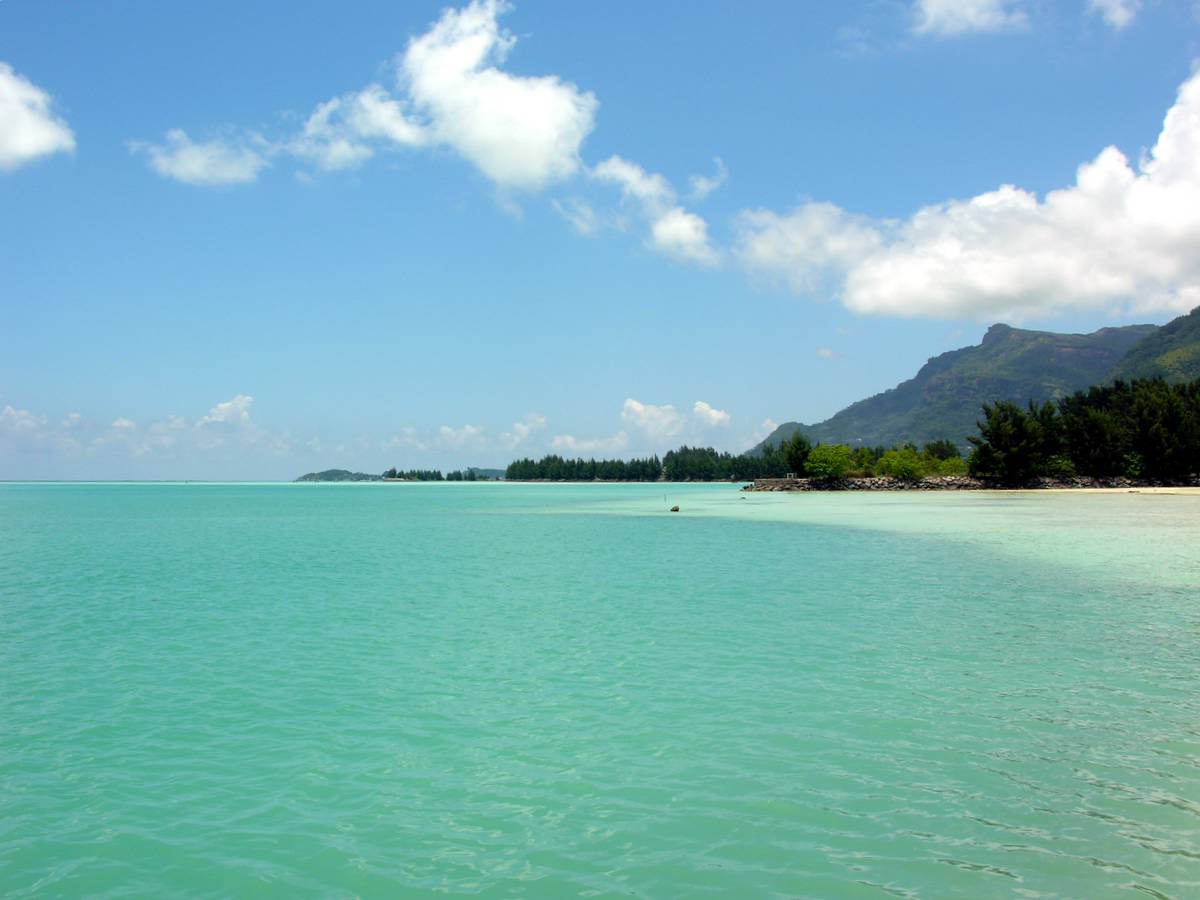
An archipelago of 115 granite and coral islands scattered in the Indian Ocean, offering world-class diving, pristine beaches, giant tortoises, and a tiny nation of remarkable biodiversity.
✦Seychelles has more species of endemic plants per square kilometer than any other country on Earth.
✦The coco de mer, a tree found only in Seychelles, produces the world's heaviest seed, weighing up to 20 kg.
✦Seychelles declared itself a sovereign nation only in 1976; before that, it wasn't on many world maps.
Postcard-perfect beach with massive pink granite boulders, pristine sand, and exceptional snorkeling directly off shore.

Second-largest island with the Vallee de Mai palm forest protecting endemic Coco de Mer palms and seabird colonies.
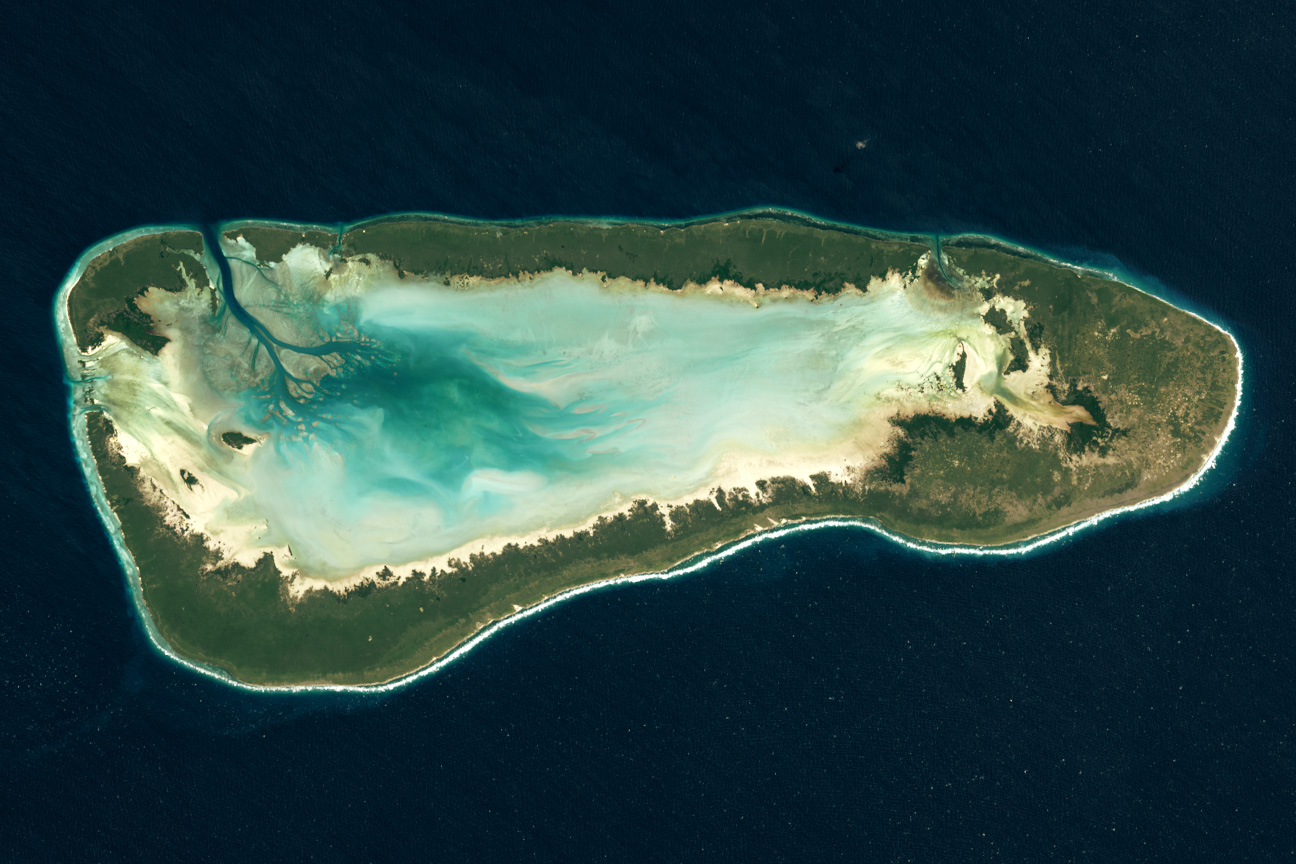
UNESCO World Heritage atoll hosting the world's largest tortoise population and pristine coral gardens.
Seychelles comprises three main island groups: the granitic Mahe, Praslin, and La Digue (with unique boulders); the coral atolls of the Outer Islands (Aldabra, Farquhar); and smaller islands. The capital Victoria sits on Mahe. The landscape is tropical, hilly on granitic islands, flat on coral atolls, with dense coconut palms, endemic flora, and pristine reefs. The population is tiny (around 98,000) and multicultural (Creole, French, British, Indian, Arab heritage). The culture is a blend of African, French, and Indian influences. Seychellois Creole is the daily language; English and French are official and widely spoken. The society is prosperous by African standards due to tourism and historical fishing, with good infrastructure and services. Christianity is predominant; Hindu and Muslim communities also exist. A trip feels like a luxury escape to an island paradise, but with the accessibility of a small nation. Resorts range from ultraluxury to moderate. The per-visitor environmental footprint is managed. Diving is exceptional. Wildlife encounters (giant tortoises, unique seabirds) are routine. The islands feel like a world unto themselves, protected and preserved.
Last checked 26 Jul 2026
Every zone below is rated against a named government advisory and carries the date we last read it. Most of any country is calmer than its headlines.
Exercise normal security precautions
Government of Canada · checked 26 Jul 2026
The main island and capital are safe with low crime. Normal urban caution applies, but robbery and theft are rare.
UK FCDO · checked 6 Jul 2026
Smaller granite islands are very safe and peaceful. Petty theft is almost nonexistent.
UK FCDO · checked 6 Jul 2026
Remote islands (Aldabra, Farquhar, Desroches) are pristine and safe. Access is controlled and minimal infrastructure exists.
UK FCDO · checked 6 Jul 2026
Seychelles counts 115 islands, though the constitution lists 155 once every islet, rock and reef is added in, scattered across the western Indian Ocean roughly 1,500 kilometres east of the African mainland. What sets the place apart from every other archipelago at this latitude is what the islands are made of. The forty-two granitic inner islands, clustered on the shallow Seychelles Bank, are the only oceanic islands on earth built from continental granite rather than from volcanic rock. They are not the tips of undersea volcanoes but fragments of Gondwana, sheared off during the break-up of the ancient supercontinent and left stranded in open ocean as India and Madagascar drifted apart, with the granite itself dated by zircon geochronology to roughly 750 million years ago, long before the rifting that eventually set the islands adrift. Beyond the bank lie the low flat coralline outer islands, built from coral rather than from continental crust, a second archipelago within the same nation with an entirely different geological birth. No one lived on any of these islands before Europeans arrived. Seychelles has no indigenous population, no pre-colonial kingdom and no oral history reaching back before the eighteenth century, since every Seychellois today descends from someone who came by ship. That absence of people did not mean the islands were unknown. ...
The full history, the peoples, and pieces written by people from hereVictoria on Mahe is a postcard-perfect capital: colorful colonial buildings, working fishing harbor, and a waterfront where Creole restaurants serve fish so fresh it was in the water hours ago. Beyond the capital, the islands are pure escape: powdery beaches, granite boulders sculpted by wind and water, tropical birds no tourists have heard of. The language is Creole; the mood is unhurried; a beer on the beach at sunset is as close to paradise as most travel guidebooks will promise. The economy depends entirely on tourism and fishing; there's no industry, no manufacturing, just sun and sea and a population that seems content with that arrangement.
Festivals and moments worth timing a trip around.
Seychellois celebrate their Creole heritage with music, dance, food, and parades; the entire nation seems to gather for a joyful explosion of color and cultural pride.
Music, costumes, and street parties erupt across the islands; local bands and visiting artists perform; the beach bars fill from dawn to midnight.
Fishermen showcase their catches and boats; the harbor becomes a showcase of traditional maritime culture; seafood feasts and competitions celebrate the sea that sustains the islands.
Music and arts celebration in La Digue's most iconic setting, the giant granite beach; performances happen with those unforgettable boulders as backdrop.
Beaches and waterfronts fill with celebrations; street parties, fireworks over the harbor, and the entire nation in festive mood as the new year arrives.
Before you go
You have the zones as they stand today, and they do move, so when one in Seychelles changes rating or an advisory we cite is rewritten, we will tell you. That is the only reason we will write.