Countrywide advisory (Government of Canada)
Exercise increased cautionExercise a high degree of caution
Government of Canada · checked 26 Jul 2026
 Woodlouse / CC BY-SA 2.0 (Wikimedia Commons)
Eastern Africa
 Comoros
A volcanic archipelago in the Indian Ocean between Tanzania and Madagascar, known for its spice-scented air, clove and vanilla plantations, and dramatic island landscapes.
✦Comorian is the only Arabic dialect unique to the Indian Ocean; it blends Bantu grammar with Semitic vocabulary.
✦The islands produce 73% of the world's ylang-ylang oil, the base for most luxury fragrances.
✦Mount Karthala is the world's largest active volcanic crater; frequent eruptions reshape the landscape unpredictably.
Palm-fringed tropical beaches around the capital offering swimming, snorkeling, and sunset views.
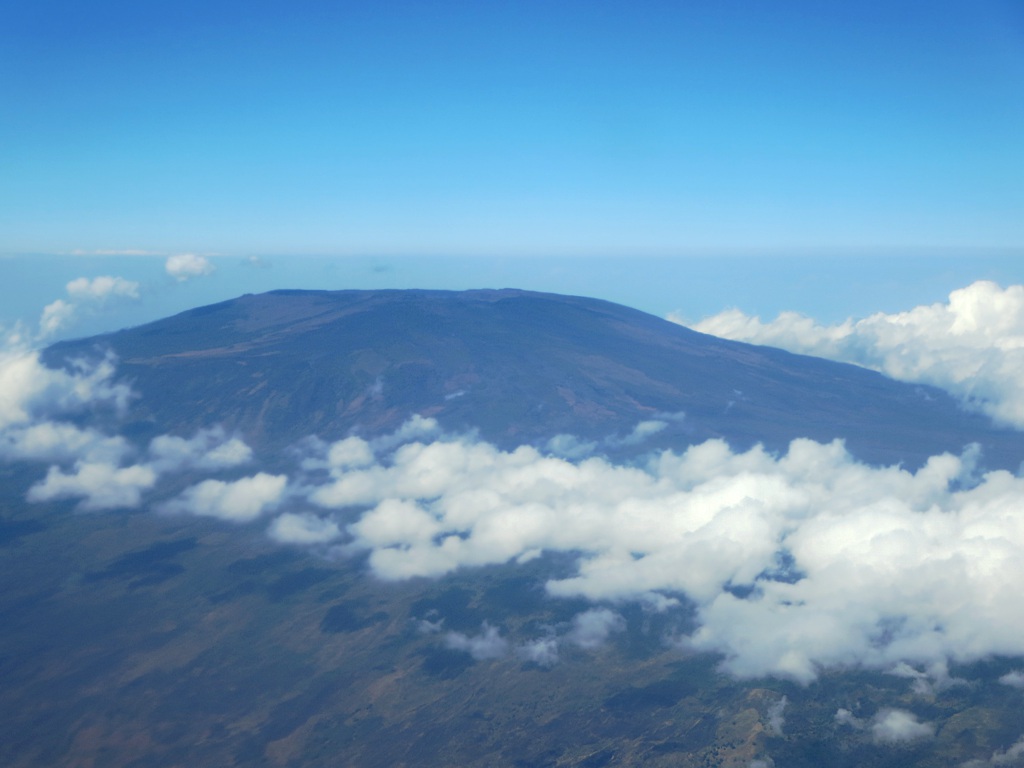
Active volcano and highest point in Comoros offering challenging hikes and panoramic island views.

Quiet outer island with waterfalls, clove plantations, and a relaxed pace away from tourists.
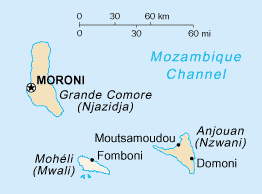
Comoros consists of three main islands, Grande Comore, Anjouan, and Moheli, each with volcanic origins and lush vegetation. The landscape ranges from sea-level tropical beaches to misty highlands with waterfalls and dense forest. The culture is a blend of Bantu, Arab, and Persian influences; Islam is the dominant faith but coexists with local traditions and colonial French heritage. A trip to Comoros feels remote and unhurried: quiet beaches, small fishing villages, and powerful island hospitality. The national identity emphasizes comorienne culture, multilingual exchange, and independence. Tourism remains low-key; infrastructure is basic but improving. The islands offer diving, snorkeling, hiking volcanoes, and deep cultural immersion with minimal crowds.
Last checked 26 Jul 2026
Every zone below is rated against a named government advisory and carries the date we last read it. Most of any country is calmer than its headlines.
Exercise a high degree of caution
Government of Canada · checked 26 Jul 2026
The capital and main tourist entry point are generally safe. Standard urban precautions apply; avoid large amounts of cash and isolated areas after dark.
Avoid: Certain neighborhoods in Moroni see petty theft; avoid displaying valuables. Night travel in unfamiliar areas not recommended.
UK FCDO · checked 6 Jul 2026
Mayotte, administered by France, is not officially part of Comoros but lies in the archipelago. Security is generally good but separate entry procedures apply; check French FCDO for latest advisories.
French Ministry of Foreign Affairs · checked 6 Jul 2026
The outer islands are quieter, with minimal tourist infrastructure but warm welcomes. Security is generally good; life is slower-paced.
UK FCDO · checked 6 Jul 2026
Police
117
Police
Ambulance
No national number
Ambulance, through a hospital directly
Fire
113
Fire service
Hospital
+269 732 604
Centre Hospitalier National El Maarouf
The Comoros gathers four volcanic islands into the channel between Madagascar and the East African coast: Grande Comore, also called Ngazidja, Anjouan or Nzwani, Moheli or Mwali, and Mayotte or Maore, the last of them governed from Paris rather than from Moroni, a split that runs through everything else in this history. Grande Comore carries the youngest and largest of the group's volcanoes, Karthala, an active shield volcano rising 2,361 metres to a summit caldera roughly three by four kilometres wide, among the largest calderas on any active volcano on the planet. Karthala has erupted more than twenty times since the nineteenth century, most recently in January 2007, and has shown renewed seismic unrest since 2021 without a confirmed eruption. People reached these islands from more than one direction. Austronesian sailors out of island Southeast Asia arrived between the eighth and thirteenth centuries, carrying Asian crops such as rice and cotton, while Bantu-speaking communities from the neighbouring East African coast settled alongside and eventually intermarried with them, and genetic studies estimate roughly a fifth of Comorian ancestry as Austronesian with the rest predominantly African. ...
The full history, the peoples, and pieces written by people from hereMoroni, the capital on Grande Comore island, is a small, architecturally interesting city with narrow streets, Arab-influenced buildings, mosques, and a corniche along the ocean. The pace is slow, the energy low-key, the atmosphere distinctly island and distinct from mainland Africa. The people are Muslim, Creole-speaking alongside French and Arabic, with strong family and community bonds. Food combines African, Arab, and Indian influences (fresh fish, rice, coconut-based dishes, spices). The islands are volcanic, with dramatic black sand beaches and tropical vegetation. Ylang-ylang perfume production remains economically important. Tourism infrastructure is minimal, which preserves authenticity but requires self-sufficiency and flexibility. It's a place of historical layering, cultural depth, and island rhythms that feel timeless.
Festivals and moments worth timing a trip around.
Independence Day celebrations with parades, official ceremonies, flag raising, and street festivals. The national mood is celebratory.
Islamic holiday celebrated across the islands with prayer, family gatherings, feasting, and communal celebrations after Ramadan fasting.
Islamic feast day celebrated with prayers, animal sacrifice, feasting, and gathering of families and communities across the islands.
Celebration of the islands' fishing heritage with fresh seafood, traditional cooking methods, music, and cultural performances in the capital.
Guided treks up Mount Karthala (one of Earth's most active volcanoes) offering otherworldly landscapes, crater views, and the raw power of geological drama.
Before you go
You have the zones as they stand today, and they do move, so when one in Comoros changes rating or an advisory we cite is rewritten, we will tell you. That is the only reason we will write.