Countrywide advisory (Government of Canada)
Exercise increased cautionExercise a high degree of caution (with regional advisories) Regional advisories apply; see the source for zone-level detail.
Government of Canada · checked 26 Jul 2026
 Joachim Huber / CC BY-SA 2.0 (Wikimedia Commons)
Western Africa
 Benin
BeninWest Africa's history hub where vibrant markets meet royal palaces and Atlantic beaches. A compact country perfect for experiencing multiple cultures in one trip.
✦Dahomey's Amazons were an elite warrior regiment of thousands of women, feared and legendary, who inspired modern conceptions of female warriors.
✦Benin's Royal Palaces of Abomey contain bas-relief friezes depicting wars, ceremonies, and history; each panel is a narrative sculpted in red mud and straw.
✦Vodou (Voodoo) originated in Benin and Togo, not Haiti; the spiritual practice predates colonialism and remains central to Beninese identity and culture.
A somber pilgrimage through the departure point where millions of enslaved Africans were shipped across the Atlantic.
UNESCO-listed compound of royal palaces where the Dahomey Kingdom ruled West Africa for 300 years.

West Africa's largest open-air market, a chaotic maze of 10,000+ vendors selling everything from fabric to medicinal herbs.
Benin is West Africa's most historically significant and culturally compressed nation. The landscape shifts from tropical beaches and lagoons in the south through palm-oil plantations and red-earth plateau villages in the center to the semi-arid scrublands of the north. The south feels cosmopolitan with Porto-Novo and Cotonou bustling with commerce and street life; the center is a maze of Yoruba and Fon kingdoms with UNESCO heritage sites; the north opens into the Sahel with nomadic Fulani herds and market towns. The trip feels like stepping through centuries without leaving the country. You can visit voodoo temples where priests explain the philosophy beneath the mysticism, walk through centuries-old palace complexes where you hear stories of the Atlantic slave trade and the kingdoms that resisted it, and share tea in village compounds where families still live as they did generations ago. Benin rewards the traveler willing to slow down and engage.
Last checked 26 Jul 2026
Every zone below is rated against a named government advisory and carries the date we last read it. Most of any country is calmer than its headlines.
Exercise a high degree of caution (with regional advisories) Regional advisories apply; see the source for zone-level detail.
Government of Canada · checked 26 Jul 2026
Security deteriorated due to spillover from Burkina Faso and Mali conflicts. Armed group presence reported, particularly near Niger border. Road ambushes occur; avoid intercity travel at night.
Avoid: Do not travel to Niamey border region, Gaya area, or routes through Kandi-Malanville corridor. Avoid road travel between northern cities after dark.
UK FCDO, US State Department · checked 6 Jul 2026
The primary tourist belt and economic center. Generally safe for travelers who exercise standard precautions. Petty theft and scams target tourists in crowded markets; armed robbery is rare but possible at night in poorly lit areas.
Avoid: Avoid walking alone after dark in Cotonou suburbs (Haie Vive, Akron) and isolated beach areas after sunset. Use authorized taxis.
UK FCDO · checked 6 Jul 2026
Cultural heartland with UNESCO sites and palace museums. Low crime, welcoming communities. Excellent for heritage tourism.
UK FCDO · checked 6 Jul 2026
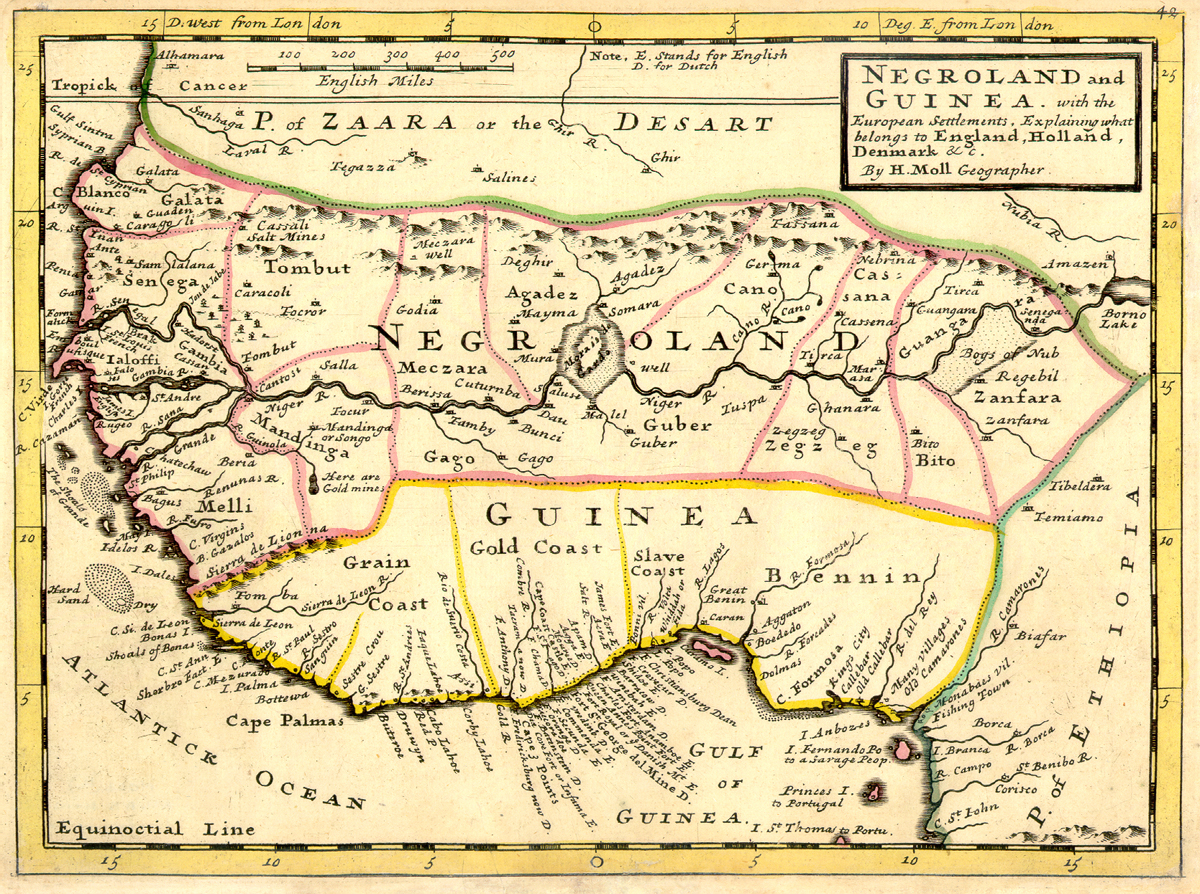
Oral tradition, as recorded by Fon historians and repeated across academic sources, traces the ancestors of southern Benin's ruling houses to Tado, a town on the Mono River. Aja settlers moved out from Tado and founded the kingdom of Allada, also called Great Ardra, with a capital city of the same name, and most sources place this migration somewhere in the twelfth or thirteenth century, though the dating rests on oral genealogy rather than on written record and should be read as approximate. Allada became the seedbed for the three kingdoms that would define the region. One royal line stayed in Allada, a second brother, Te-Agdanlin, moved south and founded a settlement that Portuguese traders later renamed Porto-Novo, and a third, Do-Aklin, moved inland around 1600 and founded Abomey. It is worth saying plainly, because visitors mix the two up constantly: Abomey's Dahomey has no historical connection to the Kingdom of Benin centred on Benin City in what is now Edo State, Nigeria, home of the Benin Bronzes. The Republic of Benin took its current name only in 1975, drawn from the Bight of Benin, the body of water the country sits on, chosen precisely because it was neutral ground for a nation of more than fifty ethnic and linguistic groups. ...
The full history, the peoples, and pieces written by people from hereCotonou is Benin's vibrant heart: chaotic, humid, alive with the energy of West African commerce. The city sprawls along lagoons, its streets crammed with vendors, motorcycles, and the sound of voices bargaining in French and Fon. Abomey, the ancient capital, still resonates with royal history, its museums honoring Dahomey's sophisticated past. The voodoo traditions remain alive here, woven into daily life and faith practices that Westerners often misunderstand. The economy is small but diversified: cotton, trade, crafts, and increasingly tourism. The food is West African at its best: acaraje bean fritters, grilled fish, rice-based dishes full of flavor. Young Beninese are entrepreneurial, cultured, humorous. The beaches at Ouidah are relaxed and atmospheric. Benin punches above its weight culturally and politically, a nation that chose stability and is reaping the rewards.
Festivals and moments worth timing a trip around.
Across a festival ground, masked dancers in towering headdresses and elaborate puppets enact ancient stories, blending performance, spirituality, and Beninese theatrical traditions.
On the coast where the Door of No Return stands as a memorial to the slave trade, artists, musicians, and performers gather for a festival celebrating resilience and cultural pride.
The Venice of West Africa, a village built entirely on stilts, celebrates its unique culture with canoe races, music, and the distinctive way of life of the Tofinu people.
The ancient seat of Dahomey power comes alive with reenactments, dances, and ceremonies that honor the kingdom's sophisticated court life and warrior traditions.
Before you go
You have the zones as they stand today, and they do move, so when one in Benin changes rating or an advisory we cite is rewritten, we will tell you. That is the only reason we will write.
