Countrywide advisory (Government of Canada)
Exercise increased cautionExercise a high degree of caution
Government of Canada · checked 26 Jul 2026
 Cnes - Spot Image / CC BY-SA 3.0 (Wikimedia Commons)
Western Africa
 Sierra Leone
Sierra Leone is West Africa's underrated gem, a nation of paradox recovering from war and overflowing with biodiversity, musical energy, and some of the warmest people on the continent. Beach villages, rainforests, and a creative capital await those willing to venture slightly off the beaten path.
✦Sierra Leone's civil war, fueled by blood diamonds, displaced 2 million people yet the nation rebuilt without a single nuclear missile.
✦The Krio people, descendants of freed American slaves, developed their own creole language and culture unique in Africa.
✦Gola Rainforest, one of Africa's oldest remaining tropical forests, shelters the endangered pygmy hippopotamus.
Ruined fortress and slave trading post visible from Freetown, now a museum and memorial.
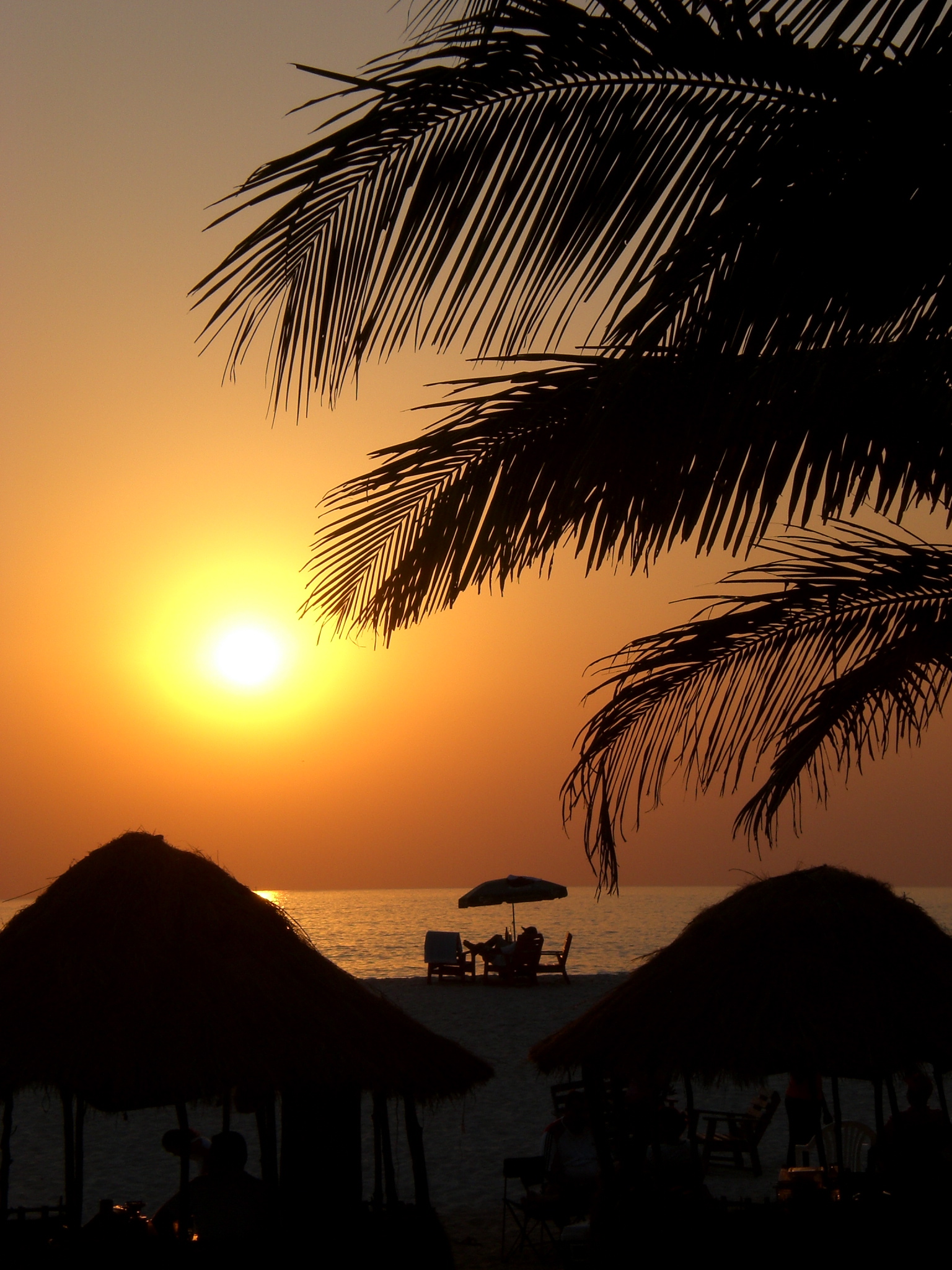
Golden sand beaches south of Freetown with swimming, beach bars, and sunset views.

Historic colonial landmark and restored waterfront district with markets and restaurants.
Sierra Leone sits on the Atlantic coast with dense rainforests inland and savannas to the east. Freetown, the capital, sprawls on a peninsula with Bunce Island visible from shore. The interior holds mountains (the Sierra Leone range gives the country its name), river valleys, and vast agricultural lands. The coast alternates between fishing villages and pristine, empty beaches. The country is recovering from the civil war that ended in 2002. Infrastructure is developing, tourism is nascent, and much of the country remains genuinely off the tourist trail. Freetown is energetic, friendly, and safe for travellers who exercise caution. The Krio language (an English creole) flavors daily life and conversation. Street food is abundant and delicious. The trip rewards adventurousness. You will encounter people who are generous and curious about visitors. Security should be a consideration in outlying areas after dark, but the country is stable and welcoming. Beaches are pristine and barely touched by tourism. This is a place where your efforts to engage locally pay immediate dividends.
Last checked 26 Jul 2026
Every zone below is rated against a named government advisory and carries the date we last read it. Most of any country is calmer than its headlines.
Exercise a high degree of caution
Government of Canada · checked 26 Jul 2026
Freetown is the capital and most developed area. Safe for tourism with standard urban awareness.
Avoid: Avoid isolated areas and beaches at night. Some neighborhoods (Kroo Bay, Juba) see petty theft. Tourist-frequented areas (Cape Sierra, Lumley Beach) are generally safe.
UK FCDO · checked 6 Jul 2026
The north is stable and touristically accessible. Makeni is the regional hub.
Avoid: None specific; exercise caution on secondary roads and avoid night travel.
UK FCDO · checked 6 Jul 2026
The east is less visited but stable. Diamond-mining history informs the landscape.
Avoid: Avoid remote areas and secondary roads after dark.
UK FCDO · checked 6 Jul 2026
Beaches south of Freetown (Lumley, Goderich, Tokeh) are accessible and safe.
Avoid: None; standard caution after sunset.
UK FCDO · checked 6 Jul 2026
Freetown sits on one of the great natural harbours in the world, a deep-water estuary where the Sierra Leone River widens into the Atlantic, and that single geographic fact has organised nearly everything that happened here. Ships of every purpose have needed this anchorage: Portuguese caravels working down the coast, slave ships loading captives for the Americas, Royal Navy patrols hunting those same ships once Britain outlawed the trade, and today container vessels sharing the water with wooden pirogues. The harbour drew people before it drew a name, and it kept drawing them long after the name stuck. Before any of that, the coast belonged to Bullom and Temne farming and fishing communities settled along the estuary and its creeks. In the middle of the sixteenth century their world was upended by the Mane, a wave of Mande-speaking arrivals moving down from the western Sudan whom Portuguese chroniclers recorded under that name. Historians still argue over how the Mane actually operated, whether as one conquering force or as successive waves of an elite that gradually merged with the people it ruled, but the outcome is not in dispute: a new ruling order took hold, ironworking and weaving techniques spread, and the ethnic map of the interior was redrawn. ...
The full history, the peoples, and pieces written by people from hereFreetown sits on a peninsula, a city with colonial architecture, bustling markets, and the energy of a place rebuilding and remembering simultaneously. The reality is mixed: poverty is visible, infrastructure is fragile, but the warmth and resilience of Sierra Leoneans is palpable. Music thrives: Afrobeats, local variants of hip-hop, and traditional drumming fill neighborhoods. Food is hearty and flavorful: cassava leaves, pepper rice, and fresh fish from boats arriving daily. The interior remains forested and rural, with villages where traditions persist and the scars of war are both visible and in people's hearts. Tourism infrastructure is minimal, which means authentic encounters and genuine hospitality. Sierra Leone demands patience and openness from visitors, but rewards them with encounters that penetrate artifice. It is a country where history is not distant but immediate, where survival and renewal are visible in daily life.
Festivals and moments worth timing a trip around.
Sierra Leone celebrates independence from Britain with parades, ceremonies, and cultural performances reflecting national pride and the journey through hardship to renewal.
A celebration of beach culture, music, and community gathering at Cape Sierra Leone. Local musicians perform, and the festival captures the joy of coastal life.
Visual arts, music, theater, and dance celebrate Sierra Leonean creativity. Local and international artists participate, showcasing the country's cultural renaissance.
Sierra Leone's Muslim majority celebrates Ramadan with fasting and evening prayers, culminating in festive Eid celebrations with feasts, new clothing, and family gatherings.
Before you go
You have the zones as they stand today, and they do move, so when one in Sierra Leone changes rating or an advisory we cite is rewritten, we will tell you. That is the only reason we will write.
